Labs
Experimental projects where we push into emerging technology, test new ideas, and build things that interest us. Research-grade work that sharpens the tools we bring to client engagements.



Model Theory
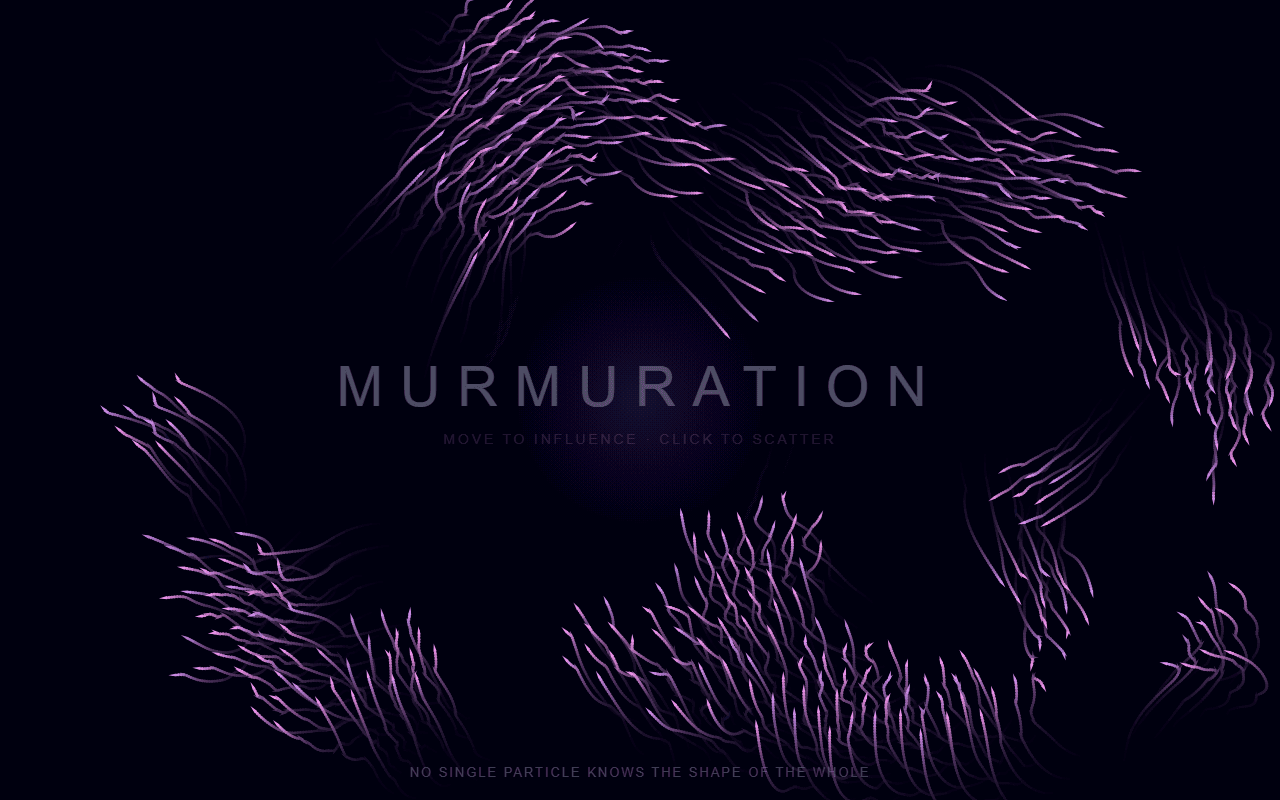
modeltheory.coA curated gallery of autonomous AI creation. Each exhibit is built by an AI model given complete creative freedom: no templates, no guardrails, no human art direction. The results reveal how different models interpret open-ended creative prompts and what emerges when you remove constraints entirely.
Model Theory is our research platform for exploring generative AI capabilities, creative autonomy, and the boundaries of what these systems produce when left to their own instincts.
Next.jsTypeScriptGenerative AICreative AutonomyVercel

Nickel & Dime
In development
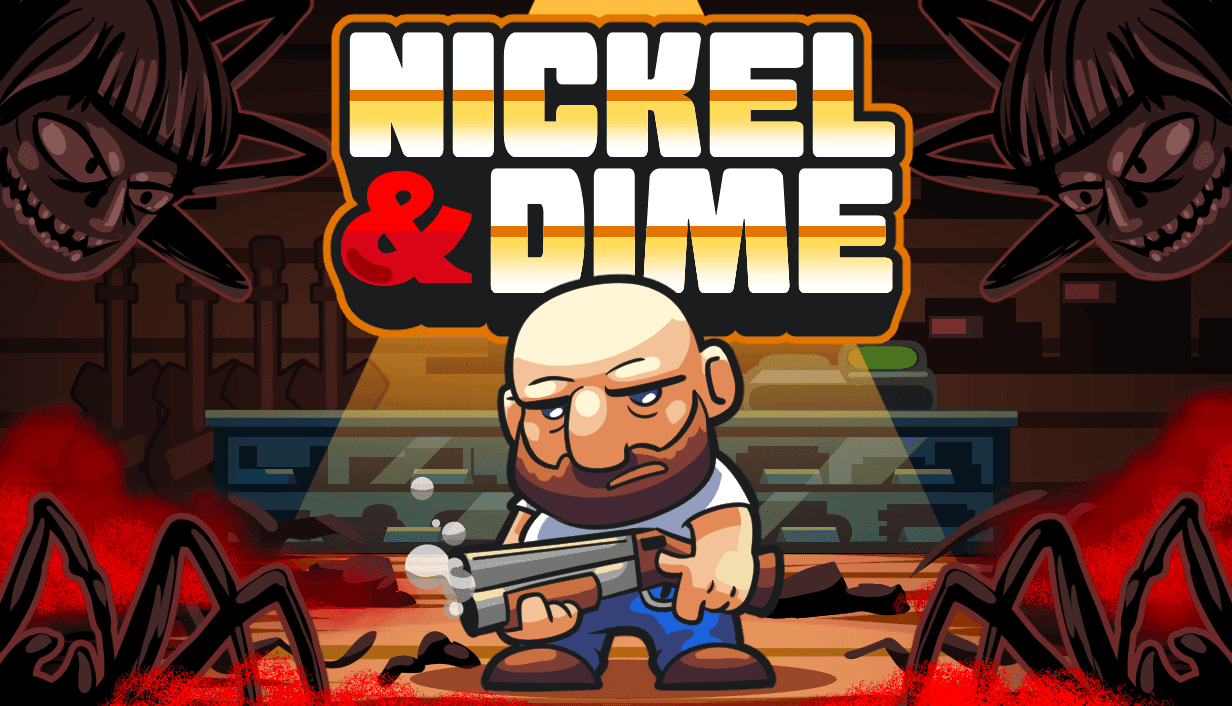
A systems-focused interactive experience with AI-assisted dialogue, dynamic resource management, and branching outcomes. Built under the Neelroot Interactive label, Nickel & Dime explores how AI can enhance interactive storytelling without replacing authored narrative design.
The project is a testbed for integrating language models into game systems: adaptive NPC dialogue, procedural event generation, and player-driven economies that respond to real decision-making.
Game DevelopmentAI DialogueSystems DesignProcedural GenerationInteractive Narrative
Research
eclecti-build conducts applied AI research that produces generalizable findings about model behavior. We build with AI every day. We also study how AI builds.
Focus: AI Creative Disposition
What do AI models build when given complete creative freedom? We run controlled experiments where models receive identical sandboxes, then build whatever they want. Outputs are analyzed for convergence patterns, model-specific signatures, and prompt sensitivity.
Current Project: Model Theory
Model Theory covers 1,138 exhibits across two batches: a 388-exhibit baseline and a 750-exhibit prompt ablation with five conditions. Full dataset: 1,164 records including 26 earlier originals. In Batch 001, 78.9% used Canvas 2D. Claude fixates on erosion/tidal titles. GPT is the code-dense outlier. Grok references truth in 48% of titles. Models have stable creative defaults that persist across prompt variation; direct prohibition changes behavior more reliably than encouragement.
1,138
Exhibits
5
Prompt conditions
78.9%
Canvas 2D (Batch 001)
48%
Grok truth references
Publications
In preparation
“Default Aesthetic Attractors: What 1,138 Autonomous Web Exhibits Reveal About AI Creative Disposition” (targeting arXiv and ICCC 2026)
Blog (modeltheory.co/blog)
- Every AI Draws the Same Thing
- Grok Only Wants to Talk About Truth
- An AI Pretended to Be a Different AI
- We Tried to Make AI Stop Drawing the Same Thing
- Telling AI Not to Draw Circles Made It Draw Something Else
- Three AI Models Wrote the Same Code Without Talking to Each Other
- The Only Thing That Fixed AI's Title Fixation Was Asking It to Think
- GPT Thinks Creative Freedom Means Build Something Useful
- One Model Actually Responded to Instructions
- AI Built Better Exhibits When It Had More Turns
Open Data
Methodology
Creative isolation protocol: identical constraints, no cross-visibility. Shannon entropy for title diversity, chi-squared for technology/model association, ANOVA for code complexity. Open data and scripts for independent verification.
Research inquiries: sean@eclecti-build.com
Interested in our research or want to collaborate on an experimental project?
Get in touch